
If you've been living with persistent shoulder pain , the kind that wakes you up at night, makes it hard to reach into a cabinet, or has quietly stolen the activities you love, you may have heard the words "shoulder replacement" and felt a mix of hope and uncertainty.
It's a big decision. But for the right patient, shoulder joint replacement is one of the most life-changing procedures in orthopedic surgery. Here's what you need to know about whether it might be right for you, what the procedure involves, and how the right specialist in Encino can help you get back to living fully.
Understanding Shoulder Joint Replacement
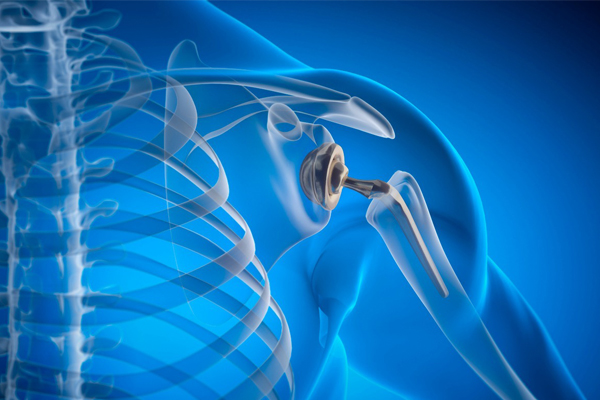
Shoulder joint replacement, also called shoulder arthroplasty, is a surgical procedure that replaces damaged parts of the shoulder joint with artificial components. Just like hip or knee replacement, the goal is to relieve pain, restore function, and help you return to the activities that matter most.
There are several types of shoulder replacement surgery:
- Total shoulder replacement – Both the ball (humeral head) and the socket (glenoid) are replaced with prosthetic components.
- Reverse shoulder replacement – The ball and socket are switched in position. This approach is particularly effective for patients with massive rotator cuff tears combined with arthritis, or for complex fractures in older patients.
- Revision shoulder replacement – A second surgery to correct or replace a previously implanted prosthesis.
Each approach is suited to different diagnoses and patient profiles. The right choice depends on your specific anatomy, the nature of your joint damage, and your activity goals.
Who Is a Candidate for Shoulder Replacement?
Shoulder replacement is typically recommended when:
- Shoulder arthritis (osteoarthritis, rheumatoid arthritis, or post-traumatic arthritis) has caused significant joint damage
- Conservative treatments like physical therapy, anti-inflammatory medications, and cortisone injections have not provided lasting relief
- Pain is severe enough to interfere with sleep, daily activities, or quality of life
- A complex fracture of the proximal humerus is unlikely to heal well with other treatments
- A previous rotator cuff repair has failed and the joint has deteriorated
If you've been managing shoulder pain for months or years and feel like you've plateaued with conservative care, a consultation with a fellowship-trained shoulder specialist is the right next step.
Why Subspecialty Training Matters for Shoulder Replacement
Shoulder replacement is technically demanding surgery. The anatomy of the shoulder, a ball-and-socket joint designed for the widest range of motion of any joint in the body, makes precise implant positioning critical to a successful outcome.
A fellowship-trained shoulder surgeon has completed an additional year of advanced subspecialty education focused exclusively on the shoulder and elbow, beyond a standard orthopedic residency. That focused expertise means:
- A more accurate assessment of which type of replacement is appropriate for your condition
- More refined surgical technique during the procedure itself
- Greater experience managing the full spectrum of outcomes, including complex cases and revisions
- Access to the latest advances, including minimally invasive approaches that reduce tissue disruption and speed recovery
When it comes to shoulder replacement specifically, the experience of your surgeon is one of the strongest predictors of a good outcome. Volume matters. Technique matters. Specialization matters.
Minimally Invasive Shoulder Replacement: A Modern Approach
Traditional shoulder replacement involved larger incisions and more disruption to the surrounding muscles. Advances in surgical technique now make it possible to perform shoulder replacement through smaller incisions with greater precision - an approach that typically results in:
- Less post-operative pain
- Lower risk of complications
- Shorter hospital stay
- Faster return to daily activities
For patients who are candidates, minimally invasive shoulder replacement represents a meaningful improvement over older techniques. A surgeon who specializes in this approach and performs it regularly will be best positioned to offer it safely and effectively.
What to Expect: Before, During, and After Surgery
Before surgery, your surgeon will conduct a thorough evaluation including physical examination, imaging (X-rays and possibly an MRI or CT scan), and a detailed review of your medical history. You'll discuss the type of replacement best suited to your condition and receive a clear picture of what the procedure involves and what recovery will look like.
During surgery, the damaged joint surfaces are carefully removed and replaced with prosthetic components engineered to replicate the natural movement of your shoulder. The procedure typically takes one to three hours under general anesthesia.
After surgery, recovery unfolds in stages:
- The first few weeks focus on protecting the repair, managing pain and swelling, and beginning gentle range-of-motion exercises
- Weeks four through twelve involve progressive physical therapy to restore strength and mobility
- Three to six months is when most patients regain functional use of their shoulder for everyday activities
- Full recovery, including return to sports or more demanding physical activities, typically takes six to twelve months
Your recovery timeline will be personalized based on your procedure, your baseline health, and your specific goals.
Shoulder Replacement FAQs
Q: How do I know if I need a total or reverse shoulder replacement?
A: The right procedure depends on the nature and extent of your joint damage, the condition of your rotator cuff, and your overall anatomy. Dr. Acevedo will review your imaging and conduct a thorough evaluation to recommend the approach that gives you the best chance of a successful, lasting outcome.
Q: Is shoulder replacement surgery safe?
A: Like all surgical procedures, shoulder replacement carries some risk, including infection, blood clots, nerve injury, and implant complications. However, when performed by an experienced, fellowship-trained specialist, shoulder replacement has an excellent safety profile and a high rate of patient satisfaction. Dr. Acevedo will review your individual risk factors thoroughly before recommending surgery.
Q: How long does a shoulder replacement last?
A: Modern shoulder implants are designed to last 15 to 20 years or more in most patients. Factors like activity level, bone quality, and implant positioning all play a role in longevity. Regular follow-up care helps ensure the implant continues to function well over time.
Q: Will I need physical therapy after shoulder replacement?
A: Yes, physical therapy is an essential part of recovery. A structured rehabilitation program helps restore range of motion, rebuild strength, and ensure the new joint integrates properly with the surrounding tissues. Dr. Acevedo will coordinate your PT referral and monitor your progress at each follow-up visit.
Q: Can I return to sports or recreational activities after shoulder replacement?
A: Many patients return to low-impact activities like golf, swimming, cycling, and hiking after full recovery. High-impact or contact sports are generally discouraged to protect the longevity of the implant. Dr. Acevedo will give you a clear, realistic picture of what to expect based on your specific procedure and goals.
Q: Is there an age limit for shoulder replacement surgery?
A: There is no strict age cutoff. Shoulder replacement is performed successfully in patients ranging from their 40s through their 80s and beyond. The decision is based on the severity of your condition, your overall health, and your functional goals - not age alone.
Start Your Path to a Pain-Free Shoulder
Living with chronic shoulder pain isn't something you have to accept. For patients whose shoulders have been significantly damaged by arthritis, injury, or failed prior surgeries, shoulder joint replacement can be genuinely transformative, restoring the mobility and comfort that pain has taken away.
Whether you're just beginning to explore your options or you're ready to take the next step, Dr. Acevedo and his team are here to help you move forward - with confidence, clarity, and care. Contact Dr. Acevedo's office today to schedule your consultation.
About Dr. Daniel Acevedo, MD. Dr. Acevedo is a board-certified orthopedic surgeon and fellowship-trained shoulder and elbow specialist practicing in Encino, Newhall, and Thousand Oaks, California. He completed his fellowship at the Rothman Institute at Thomas Jefferson University Hospital and has authored over 30 peer-reviewed articles on shoulder and elbow surgery. Dr. Acevedo is dedicated to helping patients find lasting relief through expert, compassionate orthopedic care.
Disclaimer
The information provided on this page is intended for educational purposes only and should not be considered medical advice. Always seek the guidance of a qualified physician regarding any medical condition or treatment.